When to Postpone a Hair Transplant: Reasons to Wait
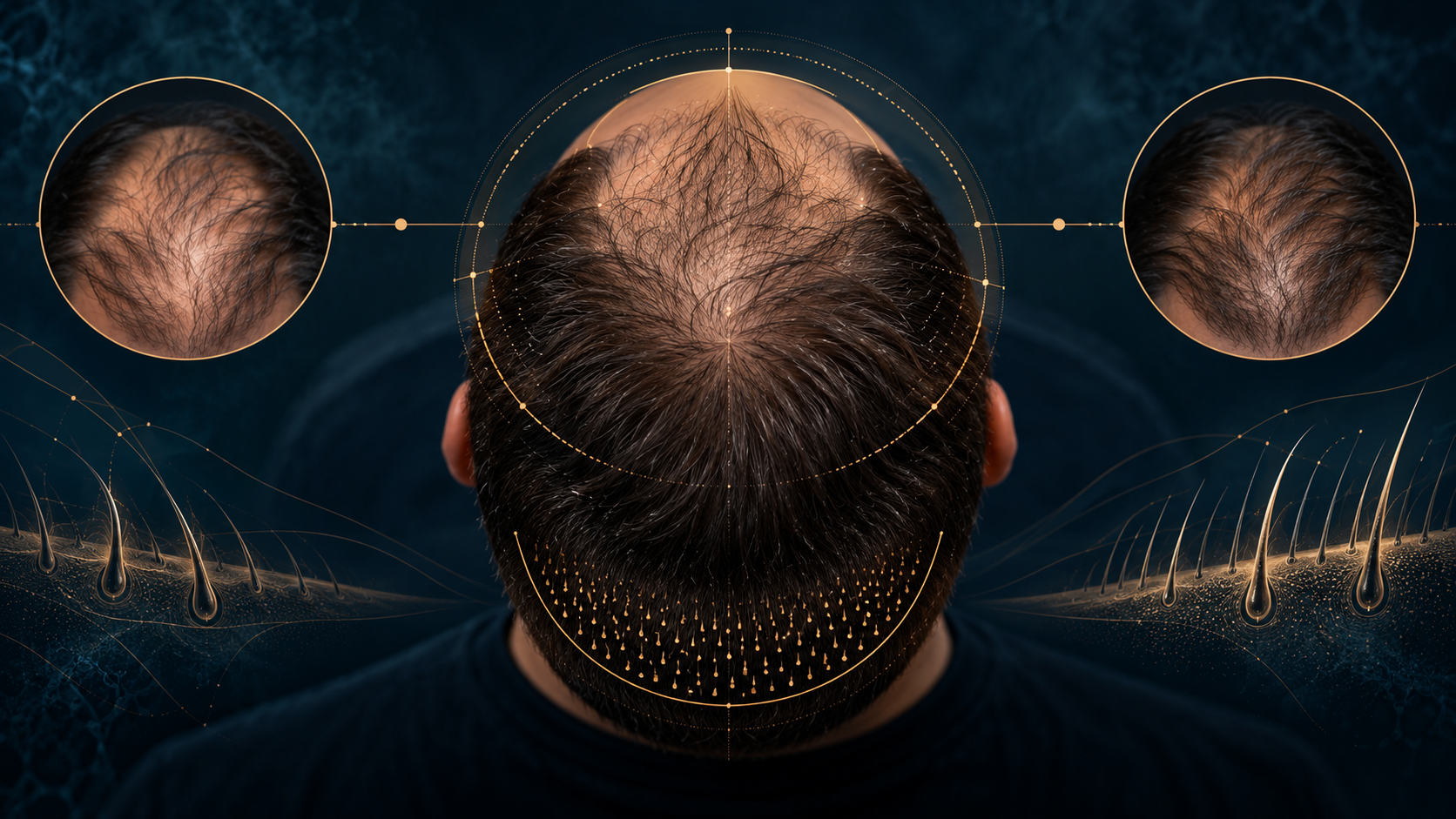
When to postpone a hair transplant is sometimes more important than deciding which technique to use. Hair transplantation is an elective procedure involving a limited donor reserve. Moving forward before the diagnosis, progression or donor capacity is clear can turn a technically successful operation into a poor long-term result.
Postponement does not always mean that surgery has been rejected permanently. In many cases, it creates time to understand the condition, stabilise the loss or develop a plan that will remain natural as the patient ages.
When to Postpone a Hair Transplant Because Loss Is Unstable
Rapidly progressing hair loss is one of the main reasons to wait. A patient may have a visible frontal problem today while the mid-scalp and crown are also beginning to weaken. If the future pattern remains uncertain, placing a large number of grafts into one area can limit the options available later.
A clinical review of male and female pattern hair-loss management recommends deferring transplantation during the active and rapidly progressive phase of hair loss.
This does not mean that every person who continues to lose hair must be excluded. The speed, distribution and degree of miniaturisation matter. Consistent photographs and repeat assessments can show whether the pattern is slowing or still changing significantly.
Age may increase this uncertainty. A younger person can have a strong donor area but an incomplete pattern. The question is not simply whether grafts can be placed now; it is whether today’s design will remain balanced if more native hair disappears.
That is why hair transplant candidacy must be considered together with timing. Someone who may become a suitable candidate later can still be unsuitable today.
Scalp and Health Conditions Come Before Surgery
Active redness, scaling, pustules, burning, pain or scarring require attention before an elective transplant. Surgery does not treat the disease affecting the follicles and may make an unstable scalp more difficult to manage.
Sudden diffuse shedding and irregular bald patches also need a clear diagnosis. Temporary hair loss may recover when its trigger is addressed. Using donor grafts before that recovery becomes visible can result in unnecessary or incorrectly distributed transplantation.
A dermatological assessment before hair transplantation becomes especially relevant when the pattern or symptoms do not match ordinary androgenetic hair loss.
General health can also change the schedule. Recent major illness, uncontrolled medical conditions, active infection or medications that affect surgery and healing should be discussed with a qualified physician. An elective procedure should proceed only when the person is medically prepared.
The donor area itself may provide another reason to wait. Diffuse thinning, high levels of miniaturisation or uncertainty about the safe donor boundaries can make graft survival and the future appearance of the donor region less predictable.
Postponement Should Have a Purpose
When to postpone a hair transplant should be followed by another question: what needs to change before reassessment?
The answer might be a confirmed diagnosis, treatment of an active scalp condition or a period of documented stability. In other cases, the person may need time to understand what the donor area can realistically provide.
Expectations can also require reconsideration. A person requesting an extremely low hairline, complete original density or guaranteed coverage of a large bald area may need a clearer explanation of biological limits before giving informed consent.
Postponement is useful when it protects future options. It prevents the donor reserve from being committed to a plan that is still uncertain and gives the patient time to make a decision based on evidence rather than urgency.
Sometimes the follow-up assessment supports surgery. Sometimes it produces a smaller, more conservative plan. Occasionally it confirms that transplantation is not the right option.
Knowing when to postpone a hair transplant is therefore not indecision. It is an active part of responsible planning.